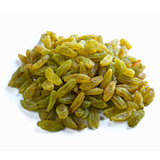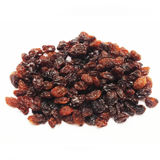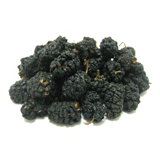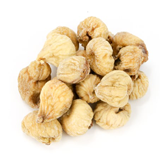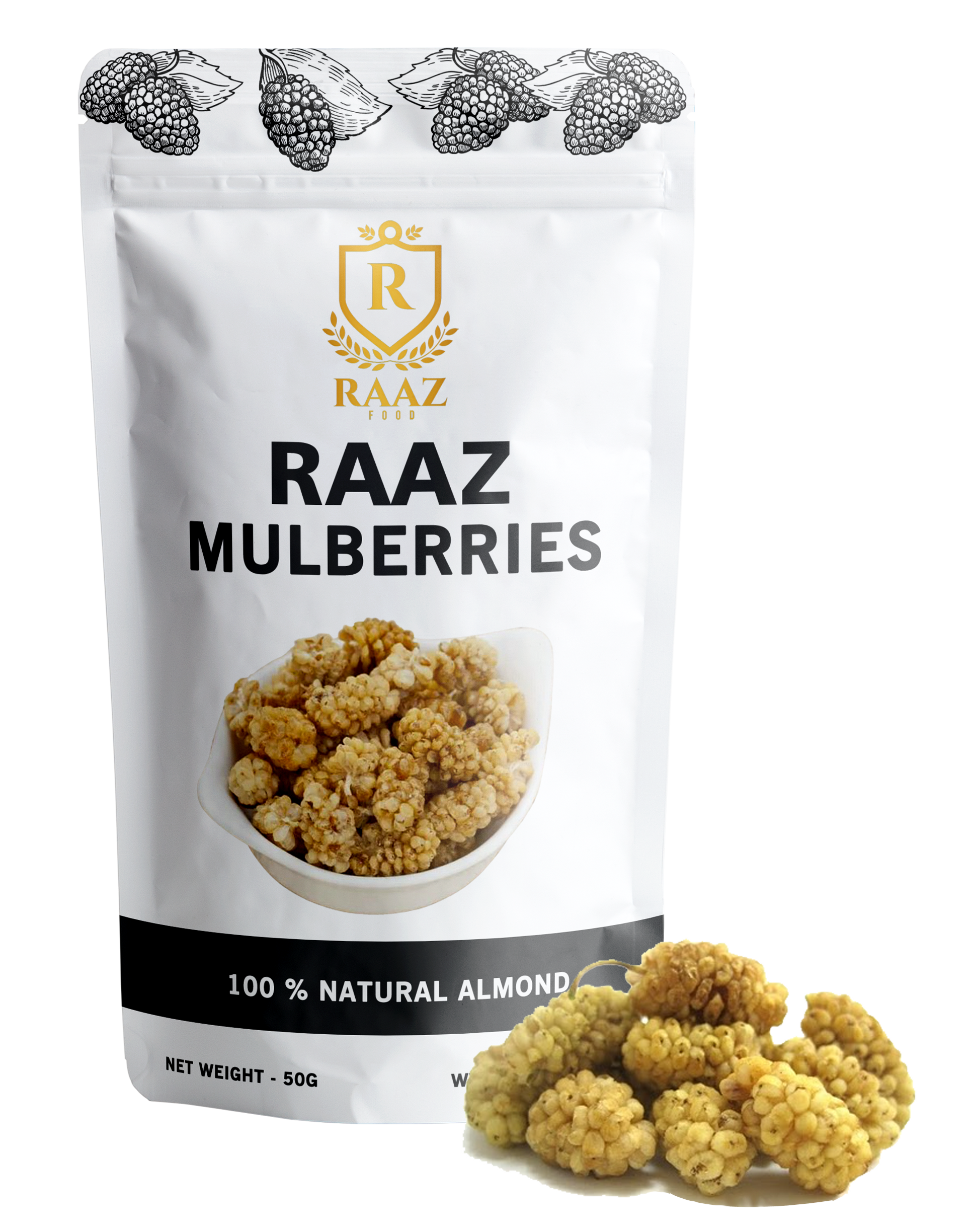
Mulberries are the fruit of mulberry trees, and they have a sweet flavor and contain an impressive amount of nutrients. The nutrients found in mulberries have numerous health benefits, and is a great alternative to sugar. These characteristics have gained the interest of a lot of people around the world, and has held to calling it the next super beery.
Mulberry trees are one of the vital assets for individuals in the silk business, since the leafs of the tree are the only food source of silkworms. Mulberry trees are native to East Asia, and they were introduced to North America to help initiate the silk business during the colonial times.
Raaz Food provides white and black mulberries in bulk format which can be directly used in baking process, creating exciting new dished or mixes, or consumed directly.